“Subway is a healthier alternative to other fast-food restaurants”
The degree to which each person agrees or disagrees with the statement above is linked to our attitudes towards the brand. A consumers attitude is a composite of an individual’s beliefs, feelings and behavioural intentions toward some object within the context of marketing (4) .
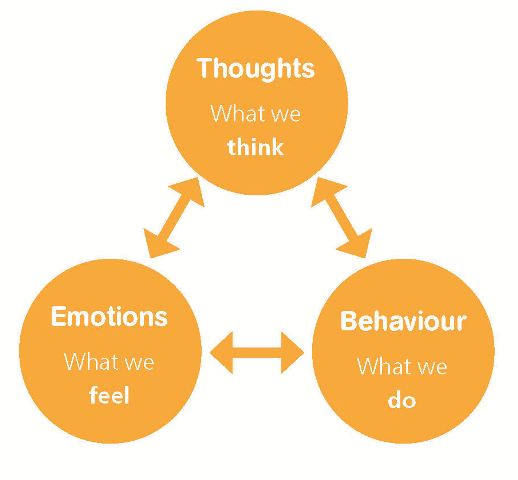
A consumer may hold positive or negative beliefs towards an brand or product. Altering a consumers attitude can be difficult to achieve because consumers tend to resist new views, particularly when they hold unfavourable opinions.
The first step in attempting to change beliefs is identifying consumers current perceptions. A recent study found that health concerns and food safety issues were reasons behind consumers having a negative attitude towards fast food brands (1). These concerns meant that those people were less likely to consumer fast food products (1).
Marketers would use this information to form a plan of action. This would involve developing strategies to improve areas where consumer perceptions reflected a negative attitude toward the brand or product (5).
These strategies could include:
- Making changes to the marketing mix.
- Constructing a supportive argument
- Making implied comparisons
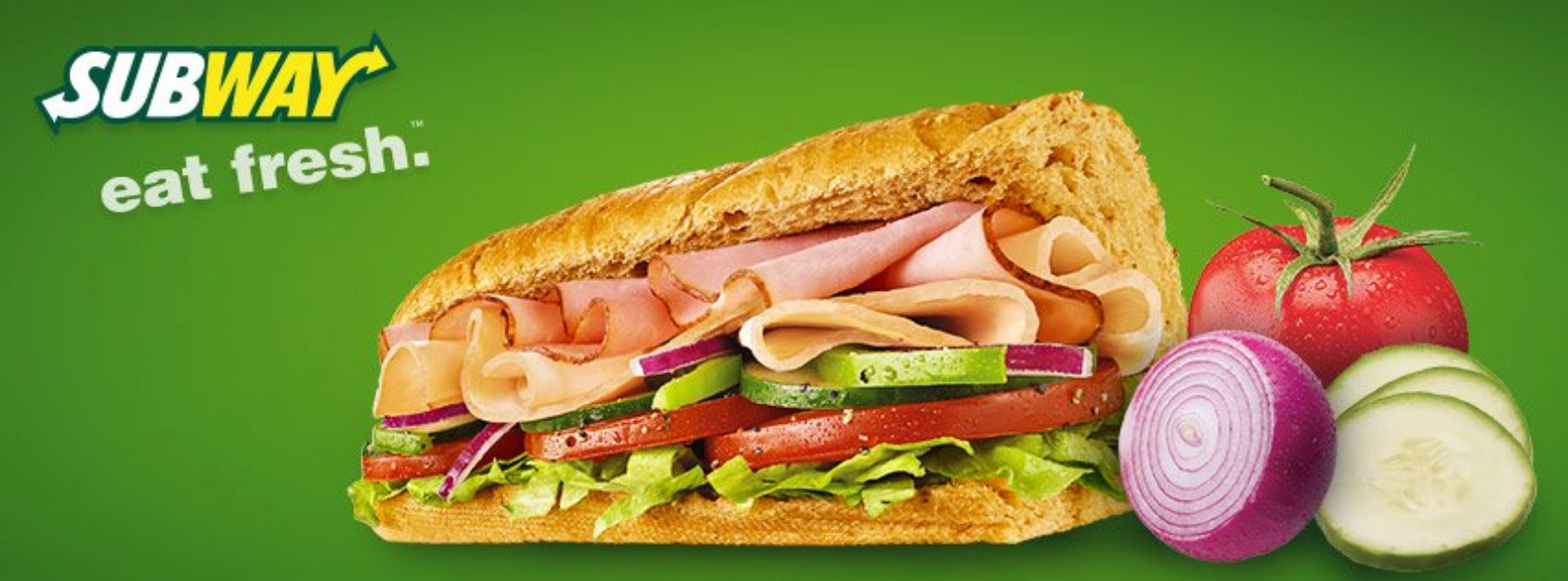
The fast food chain is seen as a place for low-fat options, but it needs to keep up with changing consumer attitudes about what is considered healthy in today’s society. In an attempt to change consumers attitudes towards the health concerns of fast food consumption, Subway has begun to make changes to their products. For example, Subway told the associated press it will remove artificial flavours, colours and preservatives from its menu in North America by 2017 (3). By doing this it gives new meaning to its “Eat Fresh” slogan.
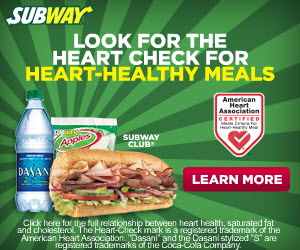
In 2012, Subway became the first quick service restaurant to apply and meet the American Heart Association’s Heart-Check Meal Certification Program nutritional criteria (2). The American Heart Association, is America’s most recognized and trusted authority on heart health, therefor the meal certification acts a significant competitive advantage for Subway (2). It aims to reflect Subways relentless motivation to enhance its products and be the health front runner in the fast food industry by offering customers nutritious options which do not sacrifice on taste or variety. The icon heart logo will be featured on the restaurants menus, when customers see this it could persuade them to form a positive attitude towards Subway.
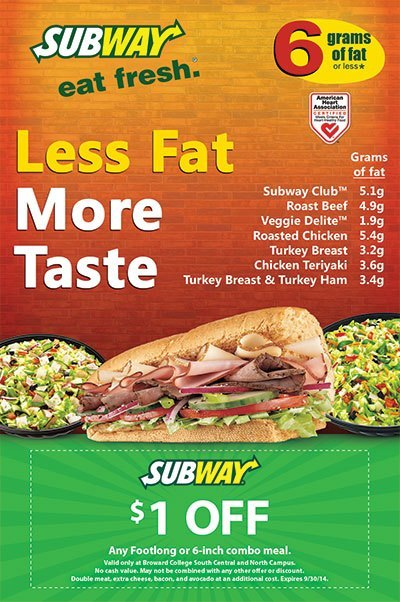
To modify consumers attitude, Subway could also construct a supportive argument in their advertisements. This strategy involves presenting one or more positive attributes of the product (4). The goal is to try and persuade the listeners to shift their opinion accordingly. Subway could promote the use of fresh quality ingredients and offering a range of low-fat options to change consumers attitudes towards fast food. An implied comparison could also be made in the advertisement where they make an indirect claim that they are the healthier option, but do not explicitly call out their competitors (4). This is up to the consumer to interpret that they are referring to other fast food brands such as McDonald’s and KFC.
Resources Used:
(1) Akbay, C Tiryaki, G and Gul, A 2007 ‘Consumer characteristics influencing fast food consumption in Turkey’ Food Control, vol. 18, no. 8 pp. 904-913 <https://www.sciencedirect.com/science/article/pii/S0956713506001290>
(2) CISION PR Newswire, 2012 ‘SUBWAY Restaurants Become First in the Industry to Meet and Receive the American Heart Association’s Heart-Check Meal Certification’ viewed 8th May 2019 https://www.prnewswire.com/news-releases/subway-restaurants-become-first-in-the-industry-to-meet-and-receive-the-american-heart-associations-heart-check-meal-certification-157021835.html
(3) Choi, C 2015 ‘Subway is dropping artificial ingredients’ viewed 8th May https://www.businessinsider.com/subway-is-dropping-artificial-ingredients-2015-6?IR=T
(4) Solomon, R, Russel; -Bennett,, R and Previte, J 2019 ‘Consumer Behaviour: Buying, Having, Being’, Pearson Australian Edition, 4th Edition
(5) USC Marshall, undated ‘Attitudes’ viewed 8th May https://www.consumerpsychologist.com/cb_Attitudes.html
 Celina's MARK217 Blog