Now-a-days when you are watching an advertisement on TV or wandering down the shopping aisle, you are most likely to come across the words “natural”, “organic” and “eco-friendly” being used to describe a product. For a consumer, such as myself, who makes an effort to be environmentally responsible these words can be very appealing and persuasive. However, this poses an important question “if you paint it green, is it green?”
To answer this question – no. Greenwashing is the term coined to describe the technique used by companies to paint their products and brand as being “green” (1). Greenwashing usually involves marketers presenting their products in a manner which is portrayed to be benefiting the environment or making overblown claims about sustainability (1).
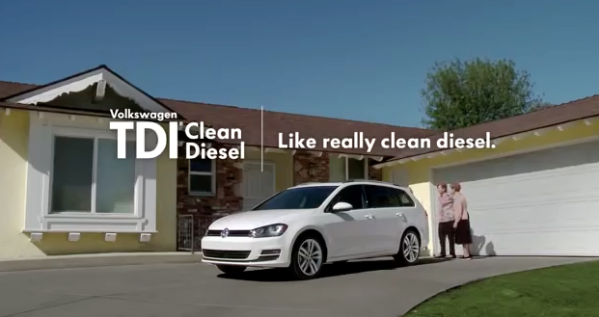
The technique of greenwashing is not a recent phenomenon. However, it has gained a broader recognition over the past few years as green living is a huge trend (5). The trend has resulted in a rise of the number of consumers who are seeking products which are environmentally friendly. This is evident when a recent Unilever study showed that a third of consumers were choosing to buy from brands they believe are doing social or environmental good (4).
The demand for sustainable products has led to a corresponding increase in unscrupulous practice of claiming green credentials by companies. Generally, when a brand makes claims that its product or service is environmentally friendly it will attract a larger audience (5). Companies believe this will have a flow over effect of increased sales and market share. Another recent study has found that commitment to the environment has the power to sway purchase behaviour for 45% of consumers surveyed (2). Therefor many consumers fall into the trap of buying a greenwashed product believing their action is benefiting the environment.
As consumers we should try to familiarise ourselves with the greenwashing tactics used by companies and look into the accuracy of these claims. Don’t let that green label fool you!
Resources Used
(1) Dahl, R 2010 ‘Greenwashing: Do You Know What You’re Buying?’, Environmental Health Perspective vol. 118 (6) pp. 246-252 https://ehp.niehs.nih.gov/doi/full/10.1289/ehp.118-a246
(2) Joshua, 2016 ‘66% of Consumers Willing to Pay More for Sustainable Goods, Nielson Report Reveals’ , viewed 13th March https://ashtonmanufacturing.com.au/66-of-consumers-willing-to-pay-more-for-sustainable-goods-nielsen-report-reveals/
(3) Truth in Advertising, 2016 ‘Earth Day 2016: Seven Companies Accused of Greenwashing’ , viewed 13th March https://www.truthinadvertising.org/six-companies-accused-greenwashing/
(4) Unilever 2017 ‘Report Shows a Third of Consumers Prefer Sustainable Brands’ , viewed 13th March https://www.unilever.com/news/press-releases/2017/report-shows-a-third-of-consumers-prefer-sustainable-brands.html
(5) Whitman, M 2018 ‘Greenwashing as a Marketing Tool’ , viewed 13th March http://sydney.edu.au/environment-institute/blog/greenwashing-marketing-tool/

 Celina's MARK217 Blog
Hi Celina,
I really enjoyed your blog post this week. I also try my best to buy organic, natural and eco-friendly products and it becomes frustrating when what I have purchased isn’t what was advertised. It feels deceitful for companies to try and make profits off of consumers that want to live morally and ethically. An interesting video you might want to check out is a case study of ‘Fiji water’. The case study highlights how their advertising uses nature images and green colours to advertise their water as “bottled at the source, untouched by man”. However, the ad fails to acknowledge the fact that they are bottled in plastics that take 450 years to breakdown https://www.youtube.com/watch?v=mOpa8kd6fBI
LikeLiked by 1 person